
The Science of Why Humans Need Sleep: Understanding Its Vital Role in Health and Cognition

Sleep is essential for human survival because it allows the body to repair itself and maintain vital functions. During sleep, the brain processes information, consolidates memories, and removes toxins that build up during waking hours. This restoration is crucial for physical health, mental clarity, and emotional stability. Research shows that without adequate sleep, cognitive functions…

How Photosynthesis Powers Life on Earth and Sustains Global Ecosystems

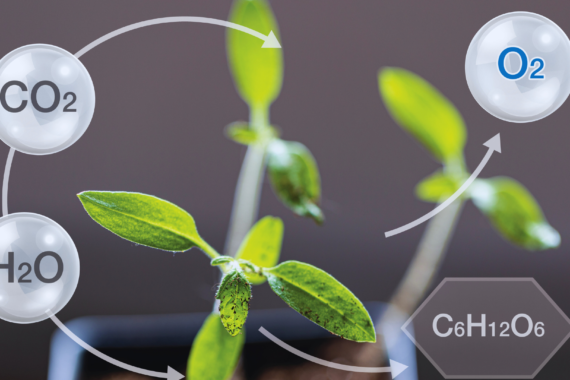
Photosynthesis is the process by which plants, algae, and certain bacteria convert light energy into chemical energy. This process produces oxygen and organic compounds that sustain almost all life forms on Earth. Photosynthesis powers life on Earth by providing the fundamental energy source and oxygen required for survival. Without photosynthesis, the atmosphere would lack oxygen,…

What Makes the Brain So Complex and Powerful: Unravelling Its Intricate Functions and Capacities

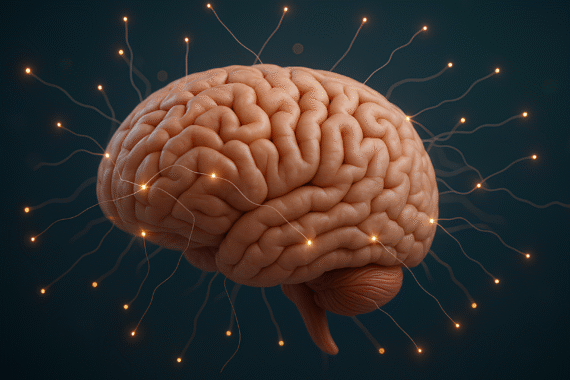
The human brain stands as one of nature’s most intricate achievements. With approximately 86 billion neurons and trillions of connections, its complexity enables a vast range of functions, from basic survival to advanced reasoning. The remarkable interplay of these neurons allows the brain to process information, adapt, and generate unique thoughts and behaviours, contributing to…

How Physical Activity Reshapes the Brain and Body: Unlocking the Benefits of Movement

Regular physical activity has profound effects on both the brain and body, contributing to enhanced well-being and cognitive function. Engaging in consistent exercise not only strengthens muscles and improves cardiovascular health but also promotes neuroplasticity, allowing the brain to adapt and grow throughout life. This connection between movement and mental performance highlights the importance of…

The Biology Behind Common Allergies: Understanding Triggers and Responses

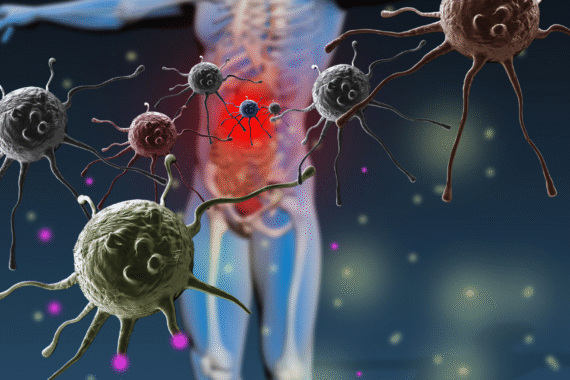
Allergies affect millions of people around the world, causing discomfort and impacting daily life. The biology behind common allergies involves the immune system mistakenly identifying harmless substances as threats, triggering an exaggerated response. This misinterpretation leads to symptoms such as sneezing, itching, and difficulty breathing. The immune response to allergens, such as pollen, dust mites,…

The Role of Mitochondria in Energy and Disease: Understanding Their Impact on Health

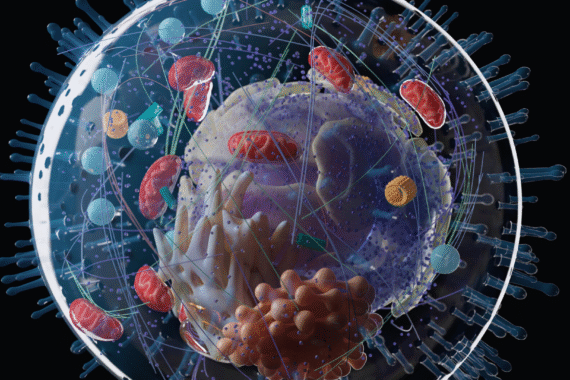
Mitochondria are often referred to as the powerhouses of the cell, playing a crucial role in energy production. These organelles generate ATP through a process called oxidative phosphorylation, which is essential for powering various cellular functions. Beyond energy production, mitochondria are also implicated in signalling pathways that influence cell death and survival, linking their functionality…

What Makes the Brain So Complex and Powerful: Unravelling Its Intricate Functions and Capacities

The human brain stands as one of nature’s most intricate achievements. With approximately 86 billion neurons and trillions of connections, its complexity enables a vast range of functions, from basic survival to advanced reasoning. The remarkable interplay of these neurons allows the brain to process information, adapt, and generate unique thoughts and behaviours, contributing to…

What Your Blood Type Says About Your Body: Insights into Health and Wellness

Blood type not only plays a crucial role in medical situations like transfusions but also offers insights into an individual’s health and personality. Different blood types can influence one’s susceptibility to certain diseases, dietary needs, and even stress responses. By understanding the connections between blood type and various aspects of health, individuals can make informed…